Energía solar térmica + bombas de calor | Sistemas de calor híbridos
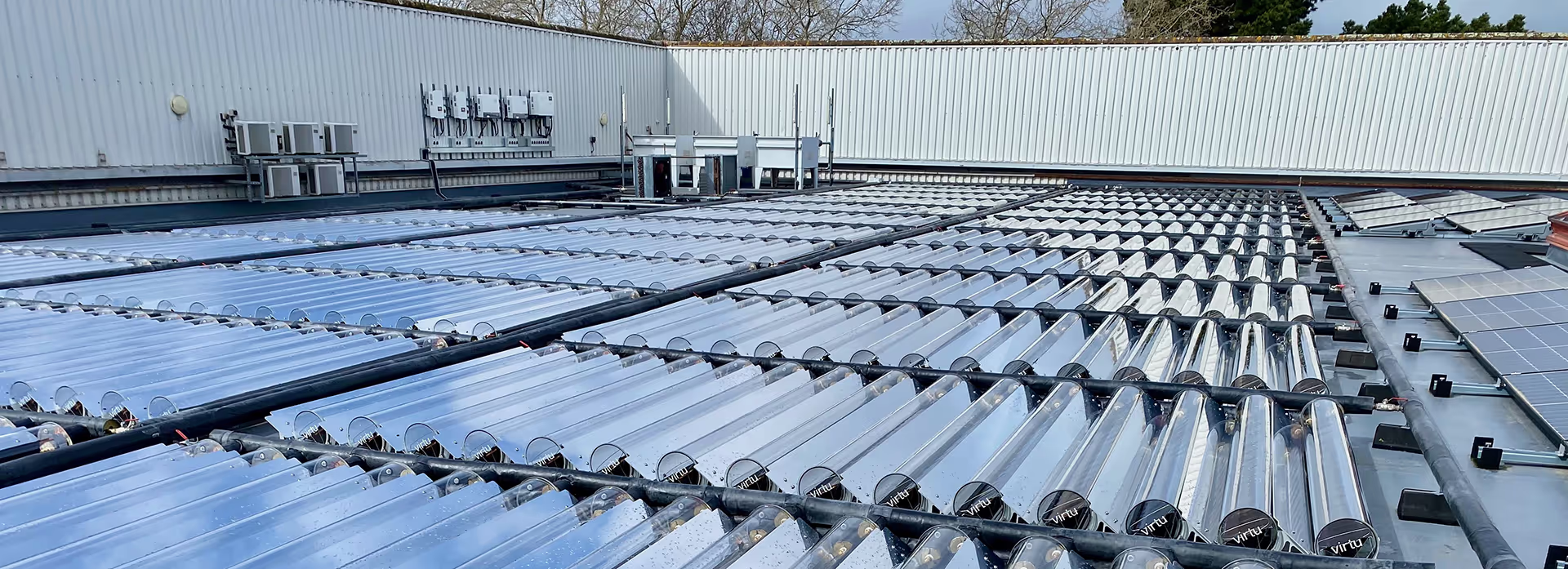
Cómo se integra la energía solar térmica con las bombas de calor y los sistemas de calefacción renovables
Más allá del enfoque centrado en una sola tecnología
La calefacción representa casi el 50 % de la demanda energética mundial (informe de la Agencia Internacional de la Energía), lo que la convierte en uno de los sectores más críticos y complejos de descarbonizar. Si bien la electrificación de la calefacción se ha acelerado gracias a tecnologías como las bombas de calor, depender exclusivamente de la electricidad está ejerciendo una presión cada vez mayor sobre la infraestructura de la red eléctrica y exponiendo a las organizaciones a unos costes energéticos en aumento.
Esto está provocando un cambio en la forma en que se diseñan los sistemas energéticos comerciales e industriales. En lugar de sustituir una tecnología por otra, las organizaciones con visión de futuro se centran en la integración y la combinación de múltiples tecnologías de calefacción para optimizar el rendimiento.
La descarbonización de la calefacción ya no consiste en elegir una tecnología, sino en diseñar el sistema adecuado para unas necesidades térmicas concretas.
Los colectores solares térmicos y los sistemas de calefacción solar desempeñan un papel fundamental en esta transición, ya que proporcionan una fuente de calor altamente eficiente y con bajas emisiones de carbono que complementa otras tecnologías, como las bombas de calor, la calefacción urbana y la recuperación de calor residual.
El reto de los sistemas de calefacción autónomos
Ninguna tecnología de calefacción renovable puede resolver por sí sola los retos combinados que plantean los costes, la reducción de las emisiones de carbono y la resiliencia energética.
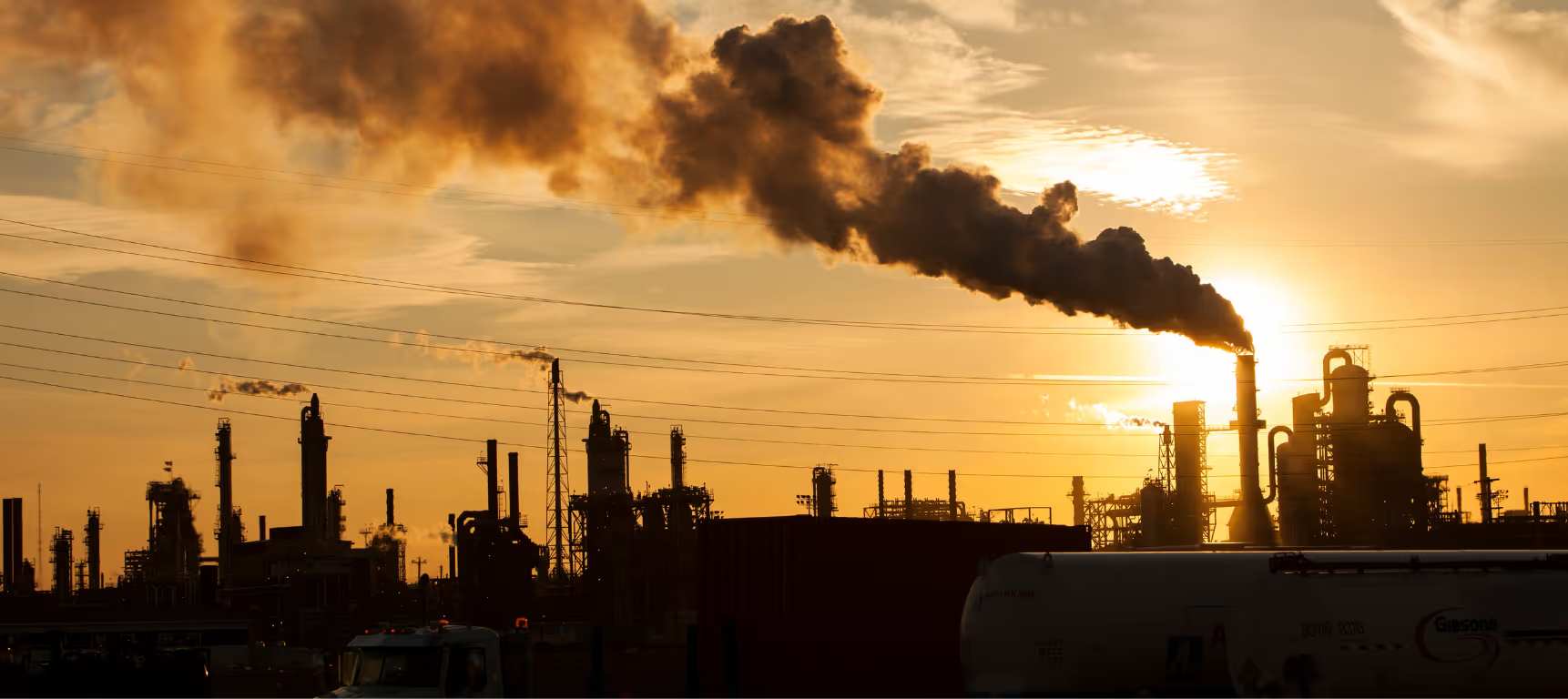
Sistemas de gas: fiables, pero con altas emisiones de carbono
Las calderas de gas tradicionales siguen siendo muy utilizadas debido a su fiabilidad y a su capacidad para generar calor a altas temperaturas. Sin embargo, plantean importantes retos:
• Exposición a la volatilidad de los precios del combustible
• Elevadas emisiones de carbono
• Aumento de la presión regulatoria
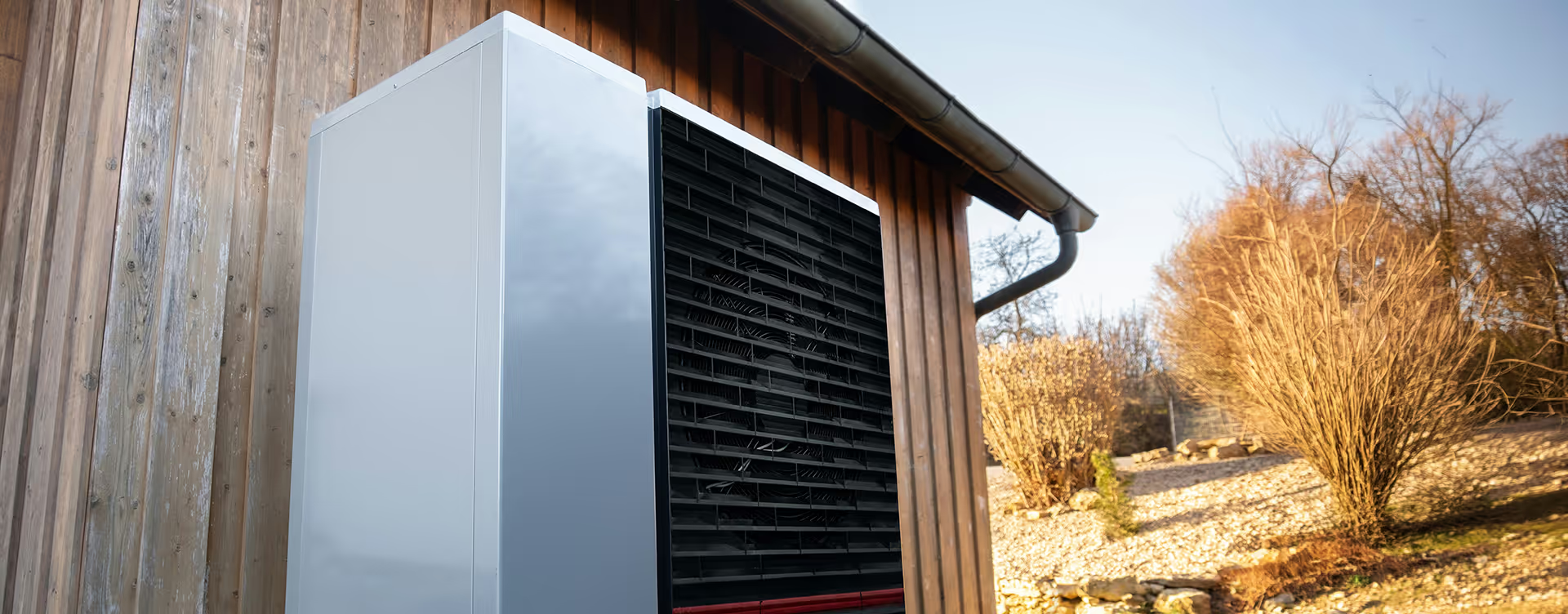
Bombas de calor: eficientes, pero con un alto consumo eléctrico
Las bombas de calor aerotérmicas, hidrotérmicas y geotérmicas están ampliamente reconocidas como tecnologías de calefacción fundamentales en los sectores comercial e industrial. Sin embargo, presentan algunas limitaciones:
• Elevada demanda eléctrica, especialmente durante los periodos de mayor consumo de calefacción
• Mayor presión sobre la infraestructura de la red eléctrica en las redes locales
• Menor eficiencia en el suministro de calor a alta temperatura, necesario en aplicaciones comerciales e industriales
Aunque las bombas de calor son muy eficientes, su rendimiento depende en gran medida del diseño del sistema; además, aunque las bombas de calor son muy eficientes, su rendimiento depende en gran medida del diseño del sistema y de las condiciones de funcionamiento.
La realidad es clara: ningún sistema aislado puede ofrecer un rendimiento óptimo en cuanto a costes, emisiones de carbono y resiliencia.
¿Qué es un sistema de calefacción híbrido?
Un sistema de calefacción híbrido combina varias tecnologías, como los sistemas solares térmicos, las bombas de calor y el almacenamiento térmico, en una única solución integrada.
En lugar de centrarse en tecnologías concretas, los sistemas híbridos se diseñan en torno a:
• Perfiles de carga de los edificios
• Requisitos de temperatura
• Patrones de funcionamiento
• Optimización de los costes energéticos
Este enfoque permite una optimización a nivel del sistema, garantizando que cada tecnología funcione donde resulta más eficiente.
En la práctica, los colectores solares térmicos proporcionan calor a bajo coste y con bajas emisiones de carbono durante las horas diurnas, lo que garantiza una carga base constante. Las bombas de calor se encargan de cubrir cualquier demanda adicional, lo que se traduce en una reducción tanto de los costes de electricidad como de las emisiones de carbono.
El resultado es un sistema energético más equilibrado, eficiente y resiliente.
Cómo se integra la energía solar térmica con otros sistemas
Los sistemas solares térmicos son muy flexibles y pueden integrarse con una amplia gama de sistemas de calefacción renovables e infraestructuras. Desde bombas de calor y energía solar fotovoltaica hasta calderas de gas tradicionales, en diversas configuraciones de sistema, desde sistemas de precalentamiento de agua caliente hasta sistemas optimizados de bombas de calor en cascada.
Resumen de las tecnologías de calefacción renovables
Entre las tecnologías de calefacción comunes con cero emisiones de carbono y bajas emisiones de carbono se incluyen:
• Colectores solares térmicos
• Bombas de calor (bombas de calor aerotérmicas, geotérmicas y sistemas hidrotérmicos)
• Calefacción eléctrica directa
• Redes de calefacción urbana
• Calefacción geotérmica
• Sistemas de recuperación de calor residual
• Soluciones emergentes de calefacción con hidrógeno
Cada tecnología tiene sus puntos fuertes y sus limitaciones, por lo que la integración es fundamental.
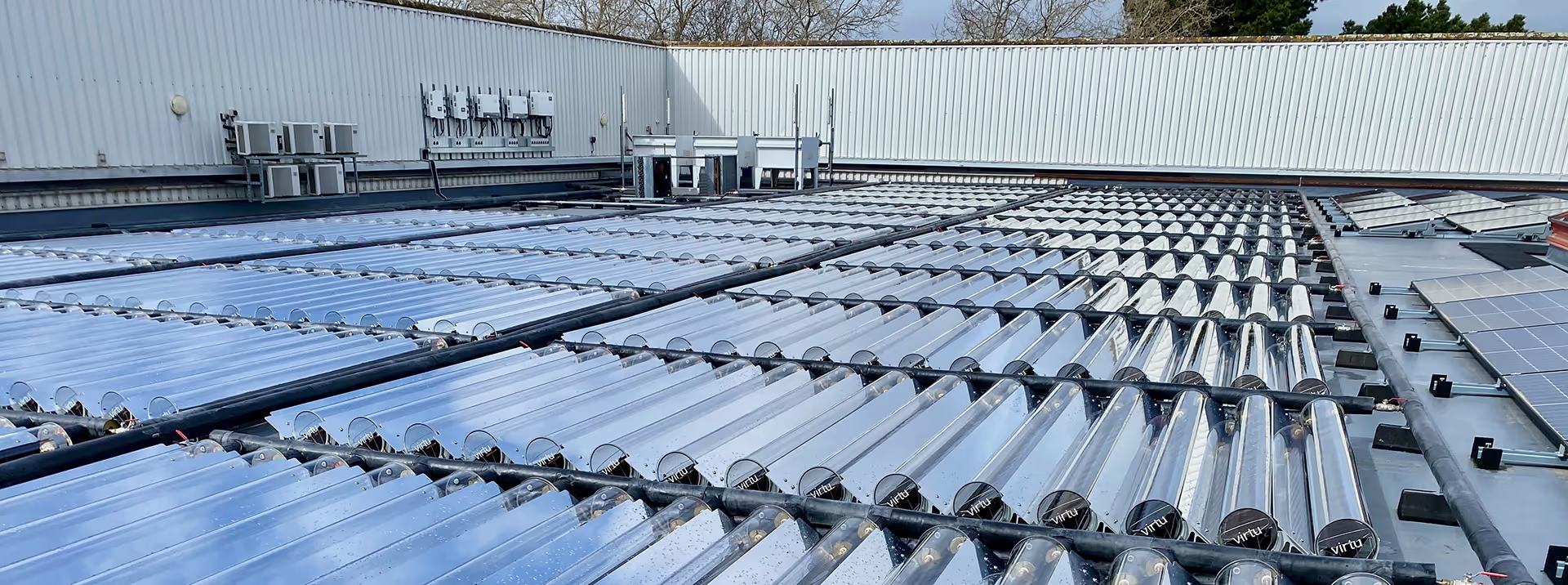
Energía solar térmica + bombas de calor
Esta es una de las configuraciones híbridas más eficaces en edificios comerciales e industriales.
Los colectores solares térmicos proporcionan el aporte de calor básico, lo que reduce la carga de trabajo de las bombas de calor.
Ventajas principales:
• Menor consumo eléctrico
• Mejor coeficiente de rendimiento (COP)
• Menores costes operativos
• Mayor eficiencia del sistema
• Mayor vida útil de la bomba de calor
Al precalentar el agua, los sistemas de energía solar permiten que las bombas de calor funcionen con mayor eficiencia, especialmente en climas fríos o en aplicaciones que requieren altas temperaturas.
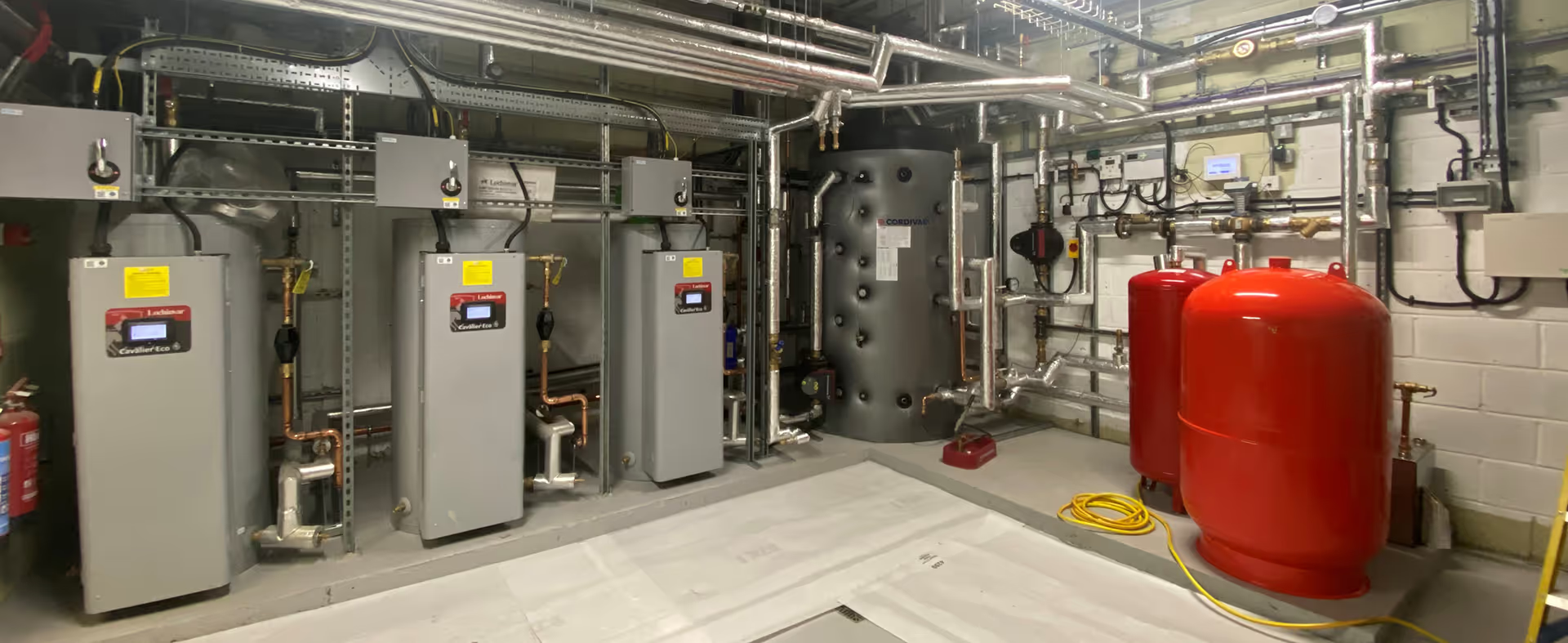
Energía solar térmica + calderas
Colectores solares térmicos como Virtu pueden integrarse fácilmente en los sistemas de calderas existentes, lo que ofrece una vía inmediata hacia la descarbonización.
Ventajas principales:
• Menor consumo de combustible
• Menores emisiones de carbono
• Compatible con cualquier tipo de tejado
• Ideal para proyectos de rehabilitación
Esto hace que los sistemas solares térmicos resulten especialmente atractivos para las organizaciones que buscan reducir sus emisiones de carbono de forma rápida y rentable sin tener que sustituir todo el sistema.
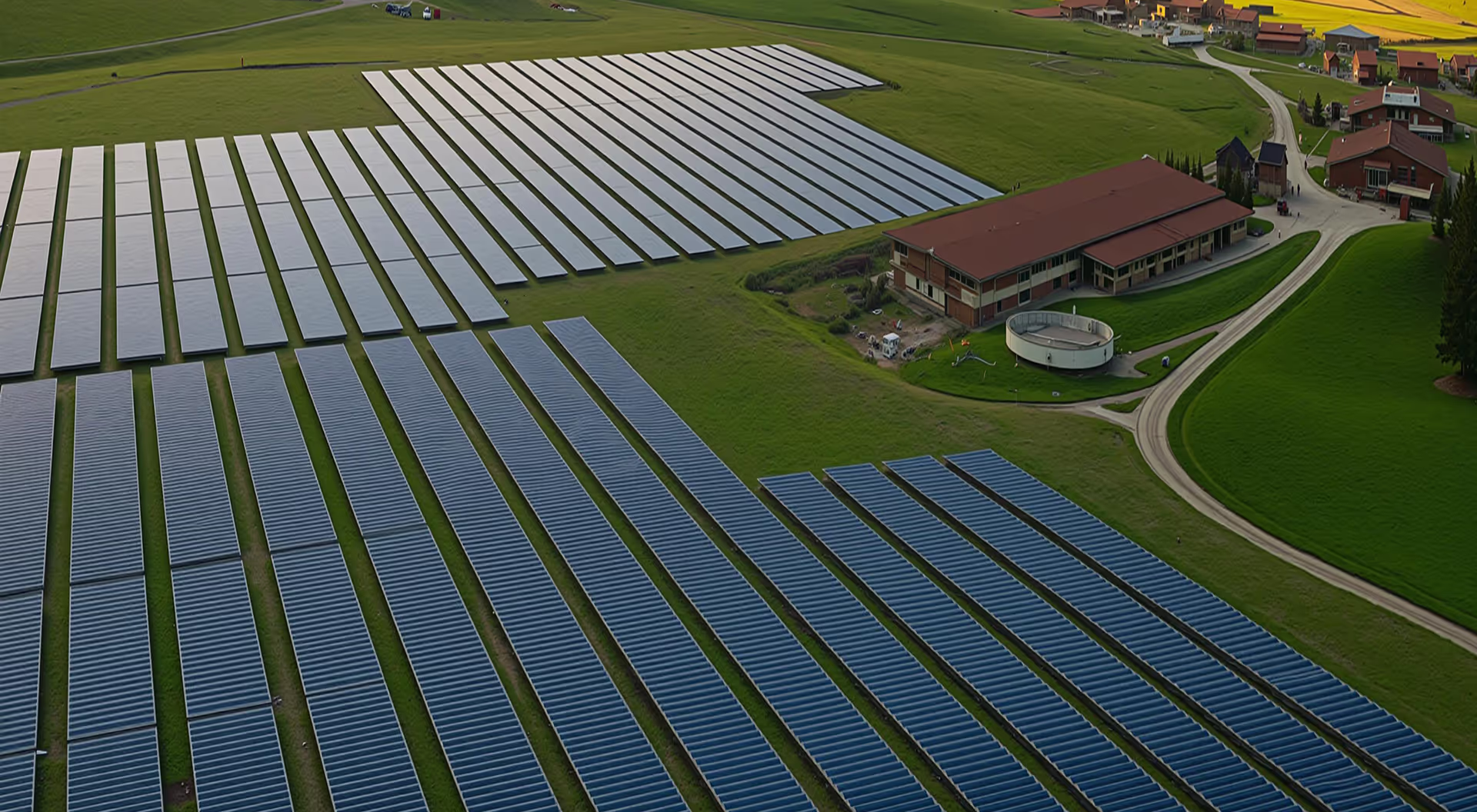
Energía solar térmica + redes de calefacción urbana
Las redes de calefacción urbana se utilizan cada vez más para abastecer de calefacción a las urbanizaciones, así como a proyectos de infraestructura a gran escala.
Los colectores solares térmicos como VirtuMAX (enlace) pueden actuar como fuentes de calor descentralizadas dentro de estas redes.
Ventajas principales:
• Menor demanda en las centrales energéticas centralizadas
• Integración escalable en múltiples edificios
• Mayor eficiencia de la red
• Menor intensidad de carbono global
Este enfoque favorece la transición hacia sistemas energéticos más distribuidos y resilientes.
Las principales ventajas de la combinación de energía solar térmica
La integración de los sistemas solares térmicos con otras tecnologías de calefacción renovables ofrece una serie de ventajas estratégicas.
• Una descarbonización más rápida
La integración de la energía solar térmica permite generar calor directamente en el punto de uso, lo que reduce directamente las emisiones sin necesidad de sustituir por completo la infraestructura
• Menor dependencia de la red eléctrica
Los colectores solares térmicos generan calor directamente a partir de la luz solar, lo que reduce la exposición a los precios variables de la electricidad.
• Menores costes operativos
Al compensar el consumo de combustible y electricidad, los sistemas de energía solar térmica pueden reducir considerablemente las facturas de energía.
• Mayor eficiencia del sistema
Los sistemas híbridos garantizan que cada tecnología funcione dentro de su rango óptimo de rendimiento.
• Mayor resiliencia
Las fuentes de energía diversificadas protegen contra las interrupciones en el suministro y la volatilidad de los precios.
• Descarbonización más rápida
La energía solar térmica puede integrarse en los sistemas existentes, lo que permite reducir inmediatamente las emisiones de carbono sin necesidad de sustituir toda la infraestructura.
Para los responsables de la toma de decisiones en materia de energía en los sectores comercial e industrial, estas ventajas se traducen en un valor tanto medioambiental como económico.
El papel del almacenamiento térmico
El almacenamiento térmico es un componente fundamental de los sistemas de energía solar térmica de alto rendimiento.
Al almacenar el exceso de calor generado durante las horas de mayor insolación, los sistemas de almacenamiento térmico permiten a las empresas utilizar la energía solar cuando la necesitan, y no solo cuando está disponible.
Funciones principales del almacenamiento térmico:
• Permite el suministro de energía solar térmica
• Adapta el suministro de energía a la demanda
• Reduce los requisitos de carga máxima
• Facilita la integración con bombas de calor y sistemas de calefacción urbana
En este contexto, el almacenamiento convierte la energía solar térmica de una fuente de energía intermitente en un componente controlable y fiable de un sistema de calefacción renovable.
Por qué es importante ahora
Varias tendencias generales están impulsando la necesidad de contar con sistemas de calefacción renovables integrados.
Aumento de los costes de la electricidad y el gas
La volatilidad de los mercados energéticos está provocando un aumento de los precios de la electricidad y el gas, lo que incrementa los costes operativos tanto de los sistemas que utilizan principalmente bombas de calor como de los sistemas tradicionales. Descubre nuestro último artículo de blog sobre cómo convertir el riesgo energético en seguridad de inversión.
Limitaciones de la red eléctrica
A medida que avanza la electrificación, la infraestructura de la red eléctrica se ve sometida a una presión cada vez mayor, especialmente en las zonas urbanas e industriales.
Objetivos de cero emisiones netas
Las organizaciones se enfrentan a objetivos de reducción de emisiones de carbono cada vez más estrictos, lo que exige soluciones más rápidas y eficaces. Para obtener más información sobre cómo afectará el ETS2 a Europa, haz clic aquí.
Los retos de escalabilidad
Los enfoques basados en una única tecnología suelen tener dificultades para adaptarse de manera eficiente a edificios grandes o complejos.
En este contexto, los sistemas solares térmicos ofrecen una solución práctica y contrastada que complementa la electrificación en lugar de competir con ella.
Conclusión: Diseño de sistemas de calefacción más eficientes
El futuro de la calefacción no consiste en elegir entre la electrificación y los combustibles tradicionales, sino en la integración.
Los colectores solares térmicos y los sistemas de calefacción solar constituyen una forma eficaz de mejorar el rendimiento de los sistemas de calefacción renovables, reducir la dependencia de la electricidad y los combustibles tradicionales, y acelerar la descarbonización.
Al combinar la energía solar térmica con bombas de calor, calderas y la infraestructura de calefacción urbana, las organizaciones pueden diseñar sistemas más eficientes, resilientes y rentables.
Para empresas como Naked Energy, esto supone un enfoque basado en el diseño para la descarbonización de la calefacción, que aprovecha la infraestructura existente al tiempo que maximiza el rendimiento.
A medida que avanza la transición energética, las estrategias más exitosas no se basarán en tecnologías aisladas, sino en sistemas integrados de forma inteligente (https://www.nakedenergy.com/solutions/system-design-solution).
El futuro de la calefacción no pasa por la electrificación ni por los combustibles fósiles, sino por la integración.
Preguntas frecuentes
¿Qué es un sistema de calefacción híbrido?
Un sistema de calefacción híbrido combina varias tecnologías, como colectores solares térmicos, bombas de calor y sistemas de almacenamiento térmico, para optimizar el rendimiento energético, reducir los costes y disminuir las emisiones de carbono.
¿Cómo funcionan los colectores solares térmicos con las bombas de calor?
Los colectores solares térmicos proporcionan agua precalentada, lo que reduce la carga de trabajo de las bombas de calor y mejora su eficiencia y su coeficiente de rendimiento.
¿Son adecuados los sistemas solares térmicos para edificios comerciales?
Sí, los sistemas solares térmicos son muy eficaces en edificios comerciales con una gran demanda de calor, como hoteles, hospitales e instalaciones industriales.
¿Cuáles son las ventajas de combinar la energía solar térmica con las calderas?
La combinación de la energía solar térmica con las calderas reduce el consumo de combustible, disminuye las emisiones y ofrece una solución sencilla para la modernización de los sistemas de calefacción existentes.
¿Qué papel desempeña el almacenamiento térmico en los sistemas de energía solar térmica?
El almacenamiento térmico permite almacenar el exceso de calor solar y utilizarlo más tarde, lo que mejora la eficiencia del sistema y reduce la dependencia del suministro energético en horas punta.
¿Se puede utilizar la energía solar térmica en las redes de calefacción urbana?
Sí, los colectores solares térmicos pueden suministrar calor de forma descentralizada a las redes de calefacción urbana, lo que reduce la carga de los sistemas centralizados.
¿Es la energía solar térmica una tecnología de calefacción renovable?
Sí, la energía solar térmica es una tecnología de calefacción renovable de eficacia probada que convierte la luz solar directamente en calor aprovechable para edificios y procesos industriales.